


316L Cruach Dhosmálta - Frithsheasmhach in aghaidh Creimeadh
Jan 28, 2026
Fág nóta

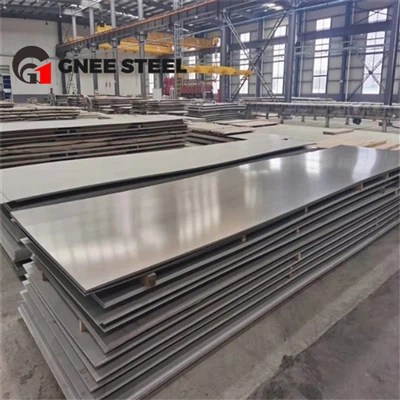

Iarratais Táthú Trom
In general, stainless steel is susceptible to intergranular corrosion due to the precipitation of chromium carbides between the grains during welding. It can also occur when carbon diffuses into the body of stainless steel from oil, plastic tape, and other organic substances under heat. The process is known as carburization. However, due to low carbon content, 316L thrives under such environments by offering excellent resistance to intergranular corrosion. Therefore, fabricators choose 316L over 316 in heavy gauge (>6mm) comhpháirteanna táthaithe.
Seo tábla comparáide gonta de chruach dhosmálta 316L le cineálacha coitianta eile cruach dhosmálta:
| Cineál Cruach Dhosmálta | Friotaíocht Creimthe | Neart Teanntachta | Príomh-Chomhpháirteanna Ceimiceacha | Costas tipiciúil | Feidhmchláir tipiciúla |
| 316L | An-Ard | Ard | 16-18% Cr, 10-14% Ni, 2-3% Mo,<0.03% C | Measartha | Feistí leighis, timpeallachtaí mara, próiseáil cheimiceach |
| 304 | Ard | Measartha | 18-20% Cr, 8-12% Ni,<0.08% C | Íochtarach | Trealamh cistine, painéil ailtireachta |
| 410 | Measartha | Ard | 11.5-13.5% Cr,<0.15% C | Íochtarach | Lanna tuirbín sceanra, gaile agus gáis |
| 321 | Ard | Ard | 17-19% Cr, 9-12% Ni, 5x%C Ti | Níos airde | Comhpháirteanna aeraspáis, córais sceite |
'Nar par ya:310 Cruach Dhosmálta vs 314 Cruach Dhosmálta
Glaoigh Linn